
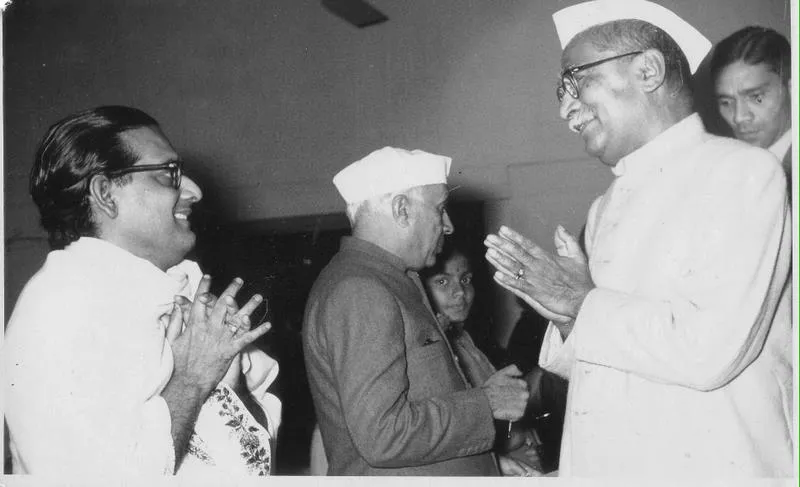
Hemanta Mukherjee
Hemanta Mukherjee, also known as Hemant Kumar, was a towering figure in Indian music—an evocative playback singer and music director whose baritone graced Bengali and Hindi cinema, Rabindra Sangeet, and more. His enduring classics like “Ganyer Badhu,” “Nagin,” and his haunting renditions of Tagore songs cement his place as one of the most beloved voices of the 20th century.
About Hemanta Mukherjee
Hemanta Mukherjee was born on June 16, 1920, in Varanasi, though his family hailed from Bengal and settled in Kolkata. As a young man, he enrolled in engineering at Jadavpur but left academics due to health concerns and a growing pull toward music. His early career began with playback singing in the 1940 film Rajkumarer Nirbbasan and composing original songs by the mid‑1940s. He also recorded his first non‑film Rabindra Sangeet in 1944—marking the start of a lifelong association with Tagore’s music. His voice, rich and expressive, found a home in both Bengali and Hindi film industries. The 1947 socially poignant song “Ganyer Badhu,” penned by Salil Chowdhury, propelled him to fame. In Hindi cinema, he achieved nationwide acclaim as composer of the hit score for Nagin (1954), earning him the Filmfare Award. He also lent his voice to memorable songs like “Hai Apna Dil To Awara” and “Na Tum Humen Jano.” In the 1950s and 1960s, Hemanta not only dominated playback singing but became a trusted composer in Bengali cinema, scoring beloved films like Deep Jwele Jaai, Shap Mochan, Marutirtha Hinglaj, and Saptapadi. At the same time, his non‑film and Tagore song recordings remained evergreen—his voice was often hailed as the “Voice of God.” He also ventured into film production, first under Hemanta‑Bela Productions and later Geetanjali Productions, backing acclaimed works like Mrinal Sen’s Neel Akasher Neechey (1959), which won the President’s Gold Medal. As the decades passed, his presence in Hindi films waned, but in Bengal he remained a cultural touchstone. His late career saw standout Rabindra Sangeet renditions, including “Diner Seshe Ghumer Deshe” from Dadar Kirti, and he even became the first Indian playback singer to feature in a Hollywood film (Siddhartha, 1971). Honors followed: multiple BFJA awards, two National Awards, and even a nomination for Padma Bhushan, which he graciously declined. Hemanta Mukherjee passed away on September 26, 1989, shortly after a concert in Dhaka. His legacy endures in the vast catalog of recordings that still resonate—be it vinyl, CD, or cassette. He remains one of Bengal’s most revered singers, a composer of emotional depth, and an eternal presence in Indian musical memory.
Items by Hemanta Mukherjee
-
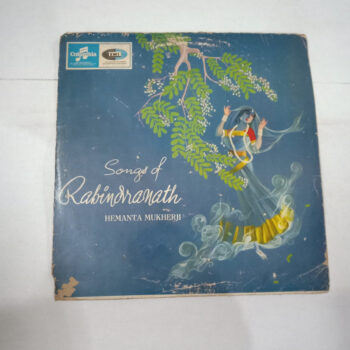
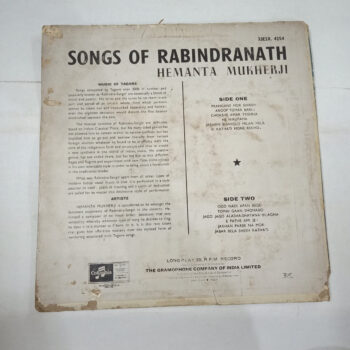
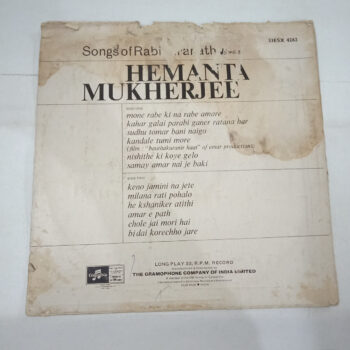
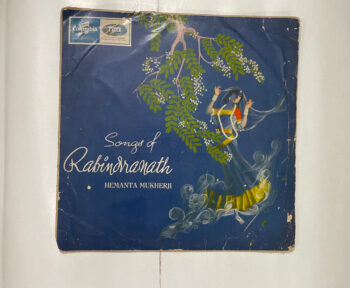
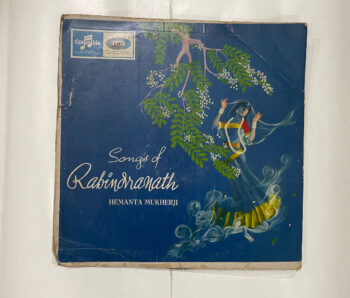
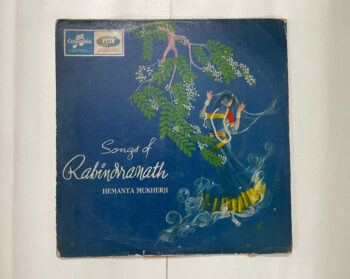
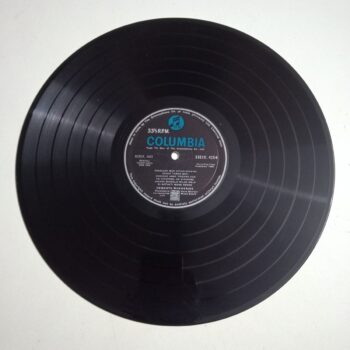
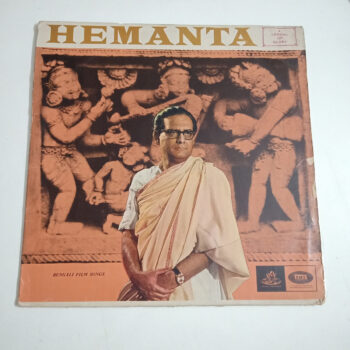
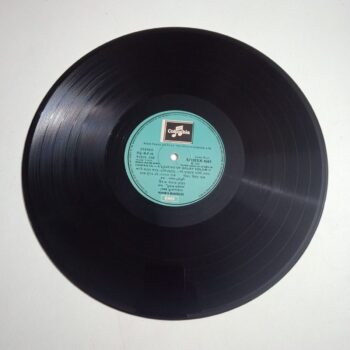
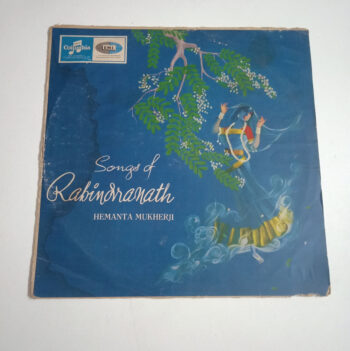
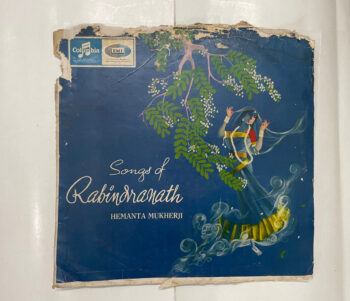
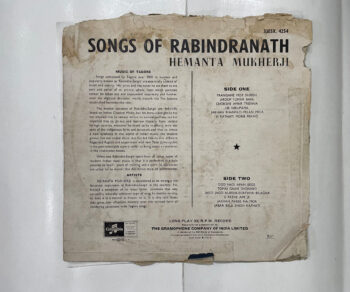
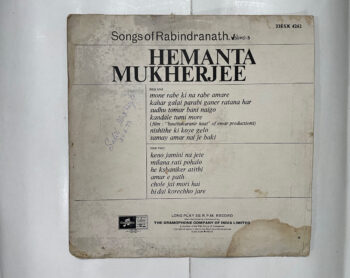
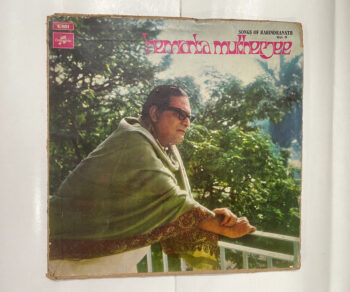
Songs Of Rabindranath – Hemanta Mukherjee Used Vinyl LP Record Hemanta Mukherjee ₹1,299.00
Hemanta’s golden Rabindra Sangeet on warm Columbia wax. Buy Songs Of Rabindranath vinyl LP in Very Good condition Today!
Only 1 left in stock
-
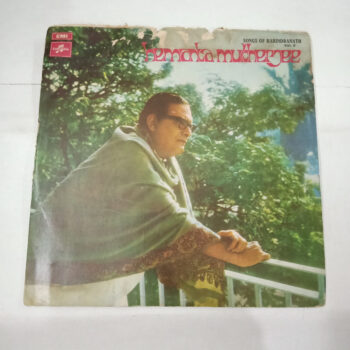
Songs of Rabindranath Vol. 3 – Hemanta Mukherjee Used Vinyl LP Record Hemanta Mukherjee ₹1,299.00
Warm 1972 Hemanta vocals on clean grooves, crackly sleeve full of history. Buy Songs of Rabindranath Vol. 3 vinyl LP in Very Good Plus condition Today!
Only 1 left in stock
-
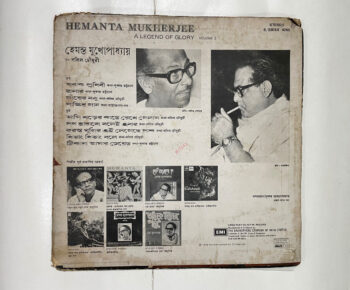
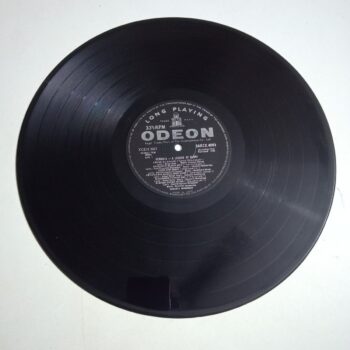
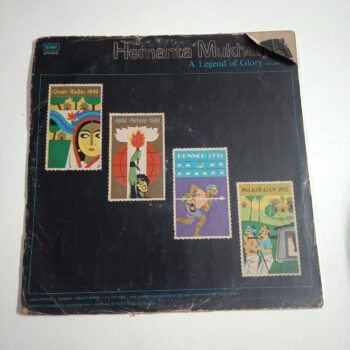
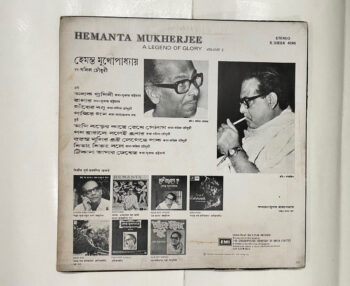
A Legend Of Glory Volume – 2 – Hemanta Mukherjee Used Vinyl LP Record Hemanta Mukherjee ₹799.00
Hemanta’s golden voice on warm Columbia grooves. Buy A Legend Of Glory Volume – 2 vinyl LP in Very Good Plus condition Today!
Only 1 left in stock
-
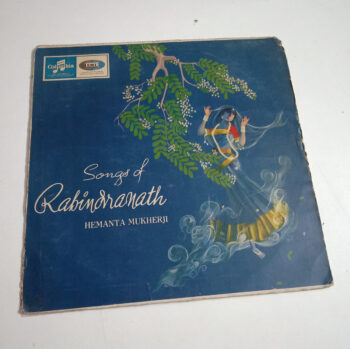
Songs Of Rabindranath – Hemanta Mukherjee Used Vinyl LP Record Hemanta Mukherjee ₹1,299.00
Hemanta’s golden voice on original Columbia wax. Buy Songs Of Rabindranath vinyl LP in Very Good condition Today!
Only 1 left in stock
-
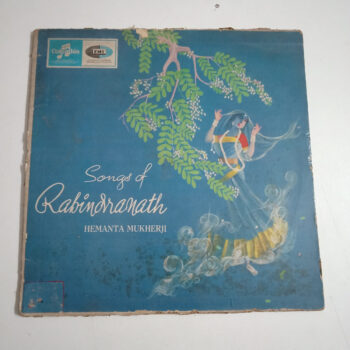
Songs Of Rabindranath – Hemanta Mukherjee Used Vinyl LP Record Hemanta Mukherjee ₹1,299.00
Hemanta’s Rabindra Sangeet on warm Columbia grooves. Buy Songs Of Rabindranath vinyl LP in Very Good condition Today!
Only 1 left in stock
-
A Legend Of Glory Volume – 2 – Hemanta Mukherjee Used Vinyl LP Record Hemanta Mukherjee ₹599.00
Hemanta’s golden 1979 voice spins strong on this VG- LP. Buy A Legend Of Glory Volume – 2 vinyl LP in Very Good Minus condition Today!
Only 1 left in stock
-
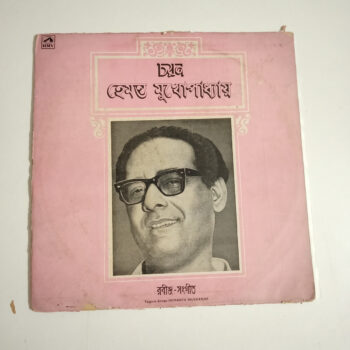
Rabindra Sangeet – Hemanta Mukherjee Used Vinyl LP Record Hemanta Mukherjee ₹999.00
Hemanta’s 1984 HMV press sings with warmth—Buy Rabindra Sangeet vinyl LP in Very Good condition Today!
Only 1 left in stock
-
A Legend Of Glory Volume – 2 – Hemanta Mukherjee Used Vinyl LP Record Hemanta Mukherjee ₹499.00
Hemanta’s 1979 magic on a warm, lived‑in LP. Buy A Legend Of Glory Volume – 2 vinyl LP in Very Good Minus condition Today!
Only 1 left in stock
-
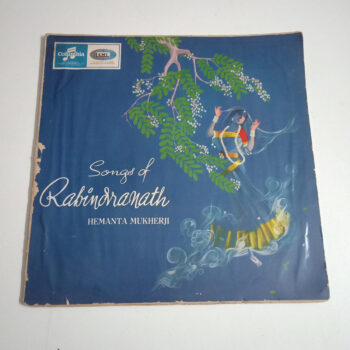
Songs Of Rabindranath – Hemanta Mukherjee Used Vinyl LP Record Hemanta Mukherjee ₹699.00
Hemanta’s 1966 Columbia press, worn sleeve, warm grooves. Buy Songs Of Rabindranath vinyl LP in Very Good Minus condition Today!
Only 1 left in stock
-
Songs Of Rabindranath – Hemanta Mukherjee Used Vinyl LP Record Hemanta Mukherjee ₹699.00
Worn grooves, timeless Hemanta. Buy Songs Of Rabindranath vinyl LP in Poor condition Today!
Only 1 left in stock
-
Songs Of Rabindranath – Hemanta Mukherjee Used Vinyl LP Record Hemanta Mukherjee ₹699.00
Worn grooves, timeless Rabindra magic. Buy Songs Of Rabindranath vinyl LP in Poor condition Today!
Only 1 left in stock
-
Songs Of Rabindranath – Hemanta Mukherjee Used Vinyl LP Record Hemanta Mukherjee ₹1,499.00
Hemanta’s 1966 Rabindra Sangeet magic on warm grooves. Buy Songs Of Rabindranath vinyl LP in Very Good Plus condition Today!
Only 1 left in stock
-
Songs Of Rabindranath – Hemanta Mukherjee Used Vinyl LP Record Hemanta Mukherjee ₹1,699.00
Hemanta’s golden voice on pristine grooves. Buy Songs Of Rabindranath vinyl LP in Near Mint condition Today!
Out of stock
-
Songs Of Rabindranath – Hemanta Mukherjee Used Vinyl LP Record Hemanta Mukherjee ₹1,299.00
Hemanta’s golden Rabindra Sangeet on warm Columbia grooves. Buy Songs Of Rabindranath vinyl LP in Very Good condition Today!
Only 1 left in stock
-
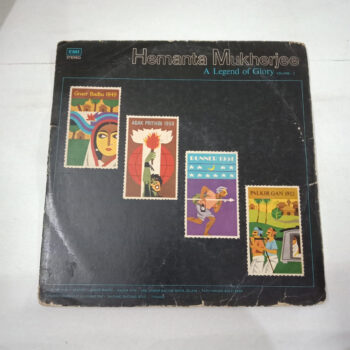
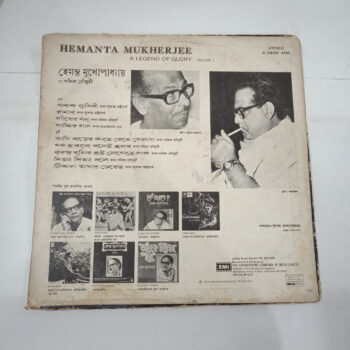
A Legend Of Glory Vol 1 – Hemanta Mukherjee Used Vinyl LP Record Hemanta Mukherjee ₹1,499.00
Warm 1968 Hemanta grooves on Angel Records, worn just right. Buy A Legend Of Glory Vol 1 vinyl LP in Very Good Minus condition Today!
Only 1 left in stock
-
A Legend Of Glory Volume – 2 – Hemanta Mukherjee Used Vinyl LP Record Hemanta Mukherjee ₹799.00
Hemanta’s golden baritone on warm wax. Buy A Legend Of Glory Volume – 2 vinyl LP in Very Good Plus condition Today!
Only 1 left in stock
-
Songs Of Rabindranath – Hemanta Mukherjee Used Vinyl LP Record Hemanta Mukherjee ₹699.00
Hemanta’s 1966 Columbia gem on wax. Buy Songs Of Rabindranath vinyl LP in Very Good condition Today!
Only 1 left in stock
-
Songs Of Rabindranath – Hemanta Mukherjee Used Vinyl LP Record Hemanta Mukherjee ₹499.00
A rare, well-loved treasure: Buy Songs Of Rabindranath vinyl LP in Poor condition Today!
Only 1 left in stock
-
Mahanayak Uttam Kumar Volume 1 – Hemanta Mukherjee Used Vinyl LP Record Hemanta Mukherjee ₹1,499.00
Golden-era Uttam Kumar songs by Hemanta on vinyl—real warmth, real stories. Buy Mahanayak Uttam Kumar Volume 1 vinyl LP in Very Good Minus condition Today!
Only 1 left in stock
-
Songs of Rabindranath Vol. 3 – Hemanta Mukherjee Used Vinyl LP Record Hemanta Mukherjee ₹499.00
Tucked in a worn cover, this VG- LP lets Hemanta’s Rabindra Sangeet truly shine. Buy Songs of Rabindranath Vol. 3 vinyl LP in Very Good Minus condition Today!
Only 1 left in stock
-
Songs of Rabindranath Vol. 3 – Hemanta Mukherjee Used Vinyl LP Record Hemanta Mukherjee ₹1,299.00
Timeless Hemanta Mukherjee melodies on vinyl—Buy Songs of Rabindranath Vol. 3 LP in Very Good condition Today!
Only 1 left in stock
-
A Legend Of Glory Volume – 2 – Hemanta Mukherjee Used Vinyl LP Record Hemanta Mukherjee ₹799.00
Hemanta Mukherjee’s golden touch on vinyl—Buy A Legend Of Glory Volume – 2 LP in VG- Minus condition Today!
Out of stock
-
Songs Of Rabindranath – Hemanta Mukherjee Used Vinyl LP Record Hemanta Mukherjee ₹499.00
Worn but enchanting—Buy Songs Of Rabindranath vinyl LP in Poor condition Today!
Only 1 left in stock
-
Songs Of Rabindranath – Hemanta Mukherjee Used Vinyl LP Record Hemanta Mukherjee ₹499.00
Echoes of Hemanta’s voice etched in age—Buy Songs Of Rabindranath vinyl LP in Poor condition Today!
Only 1 left in stock

















Hemanta Mukherjee – Vinyl Records, CDs & Cassettes at Calcutta Records
Shop our curated collection of Hemanta Mukherjee vinyl records, CDs, and cassettes. Hemanta Mukherjee, also known as Hemant Kumar, was a towering figure in Indian music—an evocative playback singer and music director whose baritone graced Bengali and Hindi cinema, Rabindra Sangeet, and more. His enduring classics like “Ganyer Badhu,” “Nagin,” and his haunting renditions of Tagore songs cement his place as one of the most beloved voices of the 20th century.