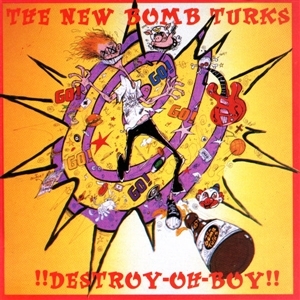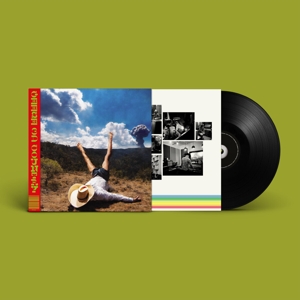

- !!destroy-oh-boy!! – New Bomb Turks – LP – Brand New Vinyl (Arrives in 20days) New Bomb Turks ₹3,899.00
Grab !!DESTROY-OH-BOY!! vinyl LP in Mint (M) condition Today for an electrifying punk journey!
Only 1 left in stock
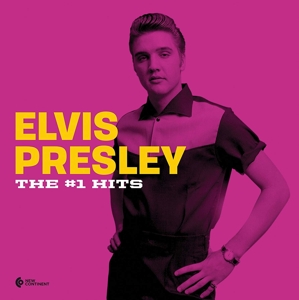
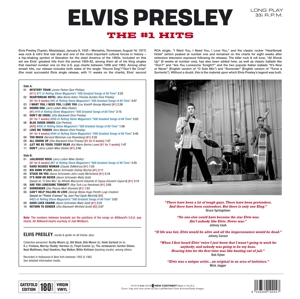
- #1 Hits – Elvis Presley – LP – Brand New Vinyl (Arrives in 20days) Elvis Presley ₹2,799.00
Snag the timeless #1 HITS vinyl LP by Elvis Presley in Mint (M) condition. Buy #1 HITS vinyl LP in Mint (M) condition Today!
Only 1 left in stock
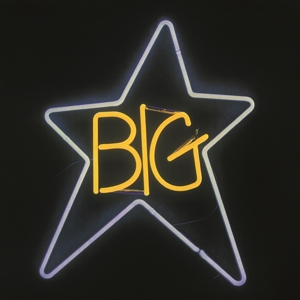
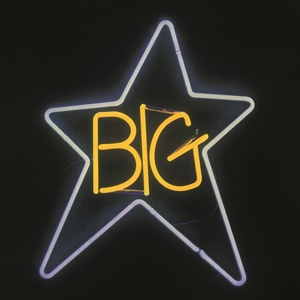
- #1 Record – Big Star – LP – Brand New Vinyl (Arrives in 20days) Big Star ₹4,099.00
Grab your #1 RECORD vinyl LP in Mint (M) condition Today! A timeless gem from Big Star awaits you!
Only 1 left in stock
- ’74 Jailbreak (50th Anniversary Gold Color Vinyl) – Ac/dc – LP – Brand New Vinyl (Arrives in 20days) AC/DC ₹6,399.00
Grab ’74 Jailbreak (50th Anniversary Gold Vinyl) in Mint condition—rock history awaits! Buy it today!
Only 1 left in stock
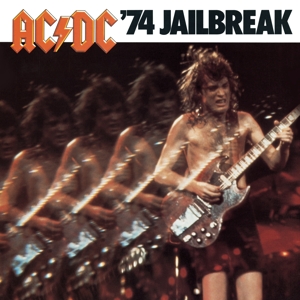
- ’74 Jailbreak – Ac/dc – LP – Brand New Vinyl (Arrives in 20days) AC/DC ₹3,899.00
Unearth AC/DC’s raw beginnings—Bon Scott’s electric vocals and rare riffs fuel this essential rock collector’s gem.
Only 1 left in stock
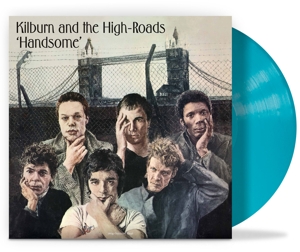
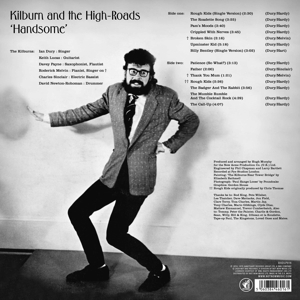
- ‘handsome’ – Kilburn And The High-r… – LP – Brand New Vinyl (Arrives in 20days) Kilburn And The High-r... ₹4,999.00
Ian Dury’s debut brims with wit, raw energy, and a London swagger that defined 70s British rock.
Only 1 left in stock
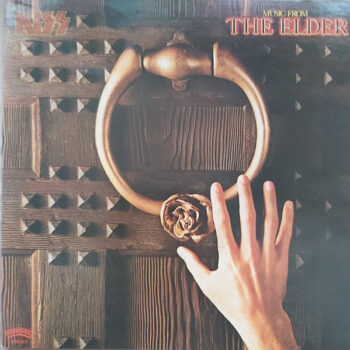
- (Music From) The Elder – Kiss – LP – Pre Owned Vinyl (Arrives in 21days) Kiss ₹6,299.00
Kiss defies expectation with an ambitious rock opera—a cult classic for adventurous vinyl collectors.
Only 1 left in stock
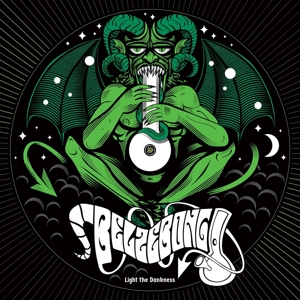
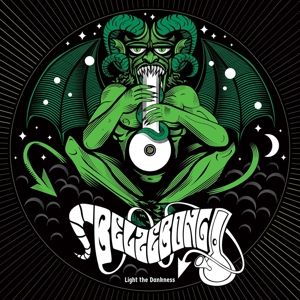
- (orange) Light The Darkness – Belzebong – LP – Brand New Vinyl (Arrives in 20days) Belzebong ₹3,399.00
(ORANGE) LIGHT THE DARKNESS vinyl LP in Mint (M) condition is a must-have for every rock aficionado. Buy it Today!
Only 1 left in stock
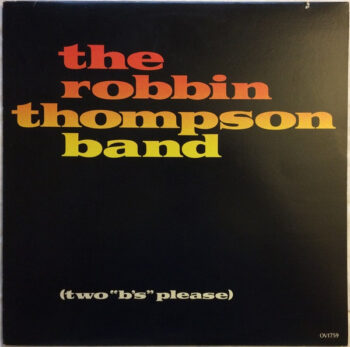
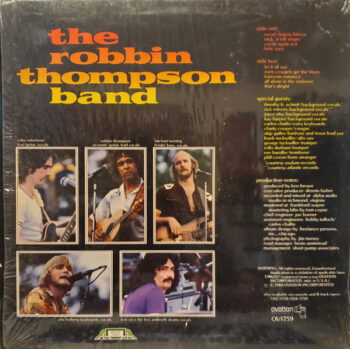
- (Two “B’s” Please) – The Robbin Thompson Band – LP – Pre Owned Vinyl (Arrives in 21days) The Robbin Thompson Band ₹3,499.00
A soulful blend of rock and heartfelt songwriting—discover the Richmond sound that shaped a generation.
Only 1 left in stock
- (watch My Moves) – Vile, Kurt – LP – Brand New Vinyl (Arrives in 20days) Vile, Kurt ₹2,499.00
(watch My Moves) by Vile, Kurt. Brand new LP.
Only 1 left in stock
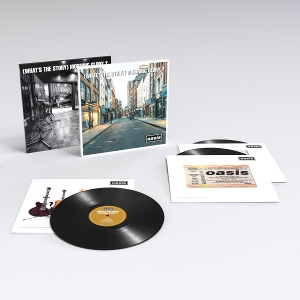
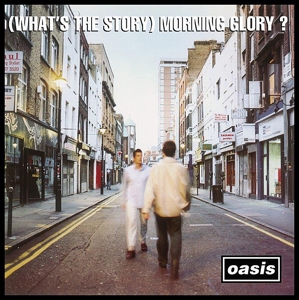
- (what’s The Story) Morning Glory? – Oasis – LP – Brand New Vinyl (Arrives in 20days) Oasis ₹10,399.00
(what’s The Story) Morning Glory? by Oasis. Brand new LP.
Only 1 left in stock
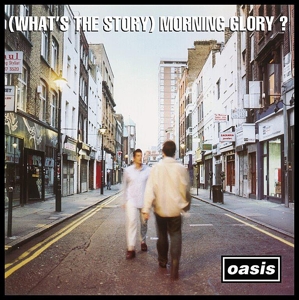
- (what’s The Story) Morning Glory? – Oasis – LP – Brand New Vinyl (Arrives in 20days) Oasis ₹5,799.00
(what’s The Story) Morning Glory? by Oasis. Brand new LP.
Only 1 left in stock
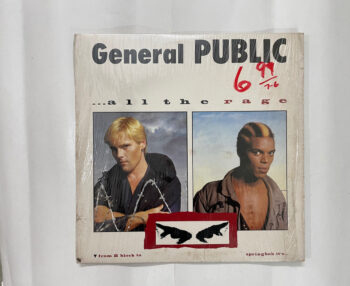
- …All The Rage – General Public Used Vinyl LP Record General Public ₹2,999.00
Crank up ’84 with General Public—Buy …All The Rage vinyl LP in Very Good Plus condition Today!
Only 1 left in stock
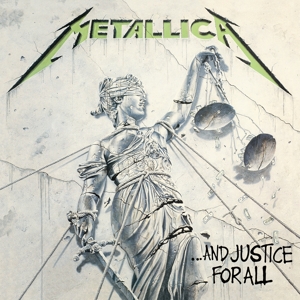
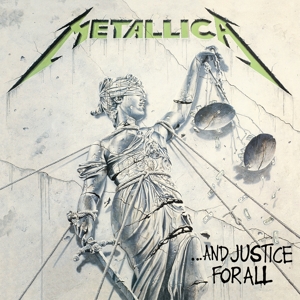
- …and Justice For All – Metallica – LP – Brand New Vinyl (Arrives in 21 days) Metallica ₹7,799.00
Grab your …AND JUSTICE FOR ALL vinyl LP in Mint (M) condition Today for a metal masterpiece experience!
Only 1 left in stock
- …And Then There Were Three… = そして三人が残った – Genesis = ジェネシス* – LP – Pre Owned Vinyl (Arrives in 21days) Genesis ₹3,499.00
Genesis’ bold shift to trio form—melodic, inventive, and a pivotal moment in progressive rock history.
Only 1 left in stock
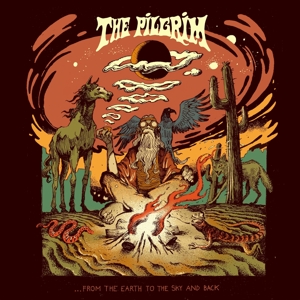
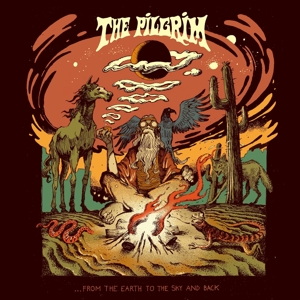
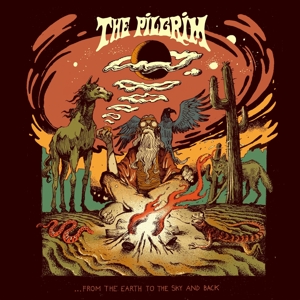
- …from The Earth To The Sky And Back – Pilgrim – LP – Brand New Vinyl (Arrives in 20days) Pilgrim ₹3,399.00
Grab your copy of FROM THE EARTH TO THE SKY AND BACK vinyl LP in Mint (M) condition Today!
Only 1 left in stock
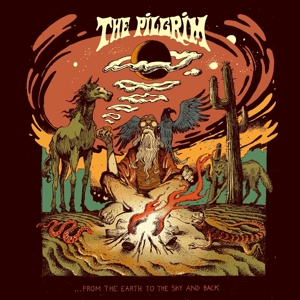
- …from The Earth To The Sky And Back – Pilgrim – LP – Brand New Vinyl (Arrives in 21 days) Pilgrim ₹5,999.00
Grab your copy of …FROM THE EARTH TO THE SKY AND BACK vinyl LP in Mint (M) condition Today!
Only 1 left in stock
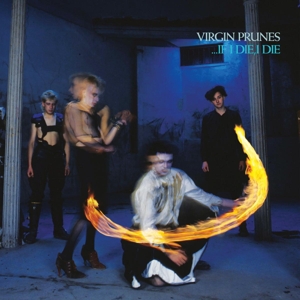
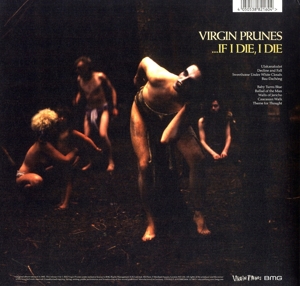
- …if I Die, I Die – Virgin Prunes – LP – Brand New Vinyl (Arrives in 20days) Virgin Prunes ₹3,999.00
…if I Die, I Die by Virgin Prunes. Brand new LP.
Only 1 left in stock
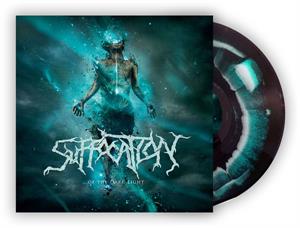
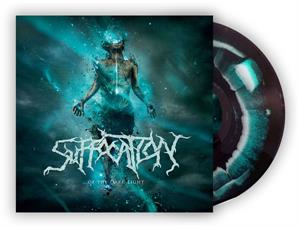
- …of The Dark Light – Suffocation – LP – Brand New Vinyl (Arrives in 20days) Suffocation ₹6,899.00
Grab …OF THE DARK LIGHT vinyl LP in Mint (M) condition Today! Relive the brutal beauty of Suffocation.
Only 1 left in stock
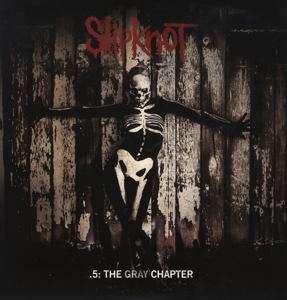
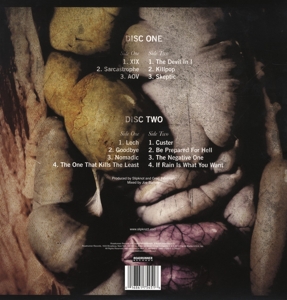
- .5: The Gray Chapter – Slipknot – LP – Brand New Vinyl (Arrives in 20days) Slipknot ₹6,799.00
Slipknot’s raw tribute blends grief and fury—an essential record for any rock collector’s turntable.
Only 1 left in stock
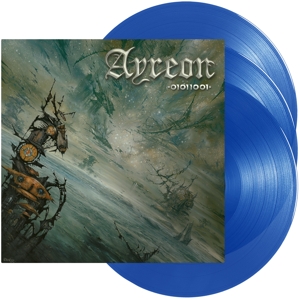
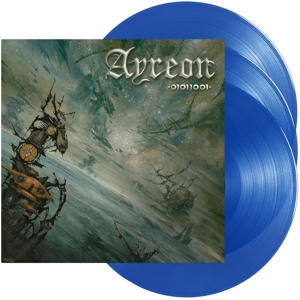
- 01011001 – Ayreon – LP – Brand New Vinyl (Arrives in 21 days) Ayreon ₹7,999.00
Get lost in the cosmic symphony of AYREON’s ‘01011001’. Buy 01011001 vinyl LP in Mint (M) condition Today!
Only 1 left in stock
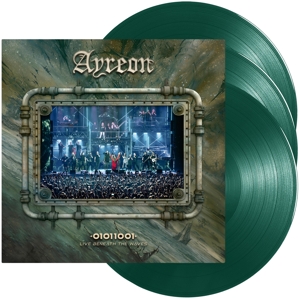
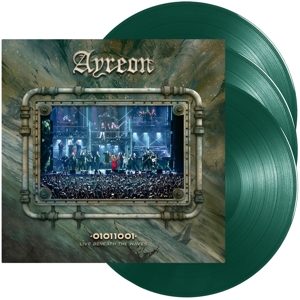
- 01011001 – Live Beneath The Waves – Ayreon – LP – Brand New Vinyl (Arrives in 21 days) Ayreon ₹7,999.00
Grab the magic of Ayreon’s epic performance! Buy 01011001 – LIVE BENEATH THE WAVES vinyl LP in Mint (M) condition Today!
Only 1 left in stock
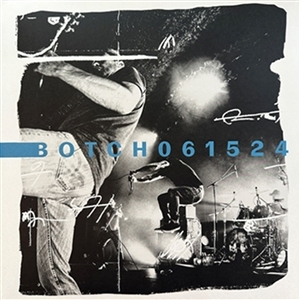
- 061524 – Botch – LP – Brand New Vinyl (Arrives in 21 days) Botch ₹7,499.00
Grab the electrifying 061524 vinyl LP by Botch in Mint (M) condition. Buy 061524 vinyl LP in Mint (M) condition Today!
Only 1 left in stock
- 1 2 3 4 – Modern English – LP – Brand New Vinyl (Arrives in 20days) Modern English ₹4,999.00
1 2 3 4 by Modern English. Brand new LP.
Only 1 left in stock
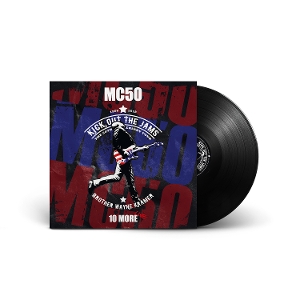
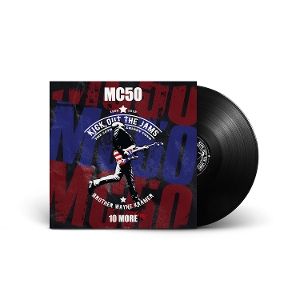
- 10 More Live – Mc50 – LP – Brand New Vinyl (Arrives in 20days) Mc50 ₹4,499.00
Get your hands on 10 MORE LIVE by MC50 — pure garage rock magic! Buy 10 MORE LIVE vinyl LP in Mint (M) condition Today!
Only 1 left in stock
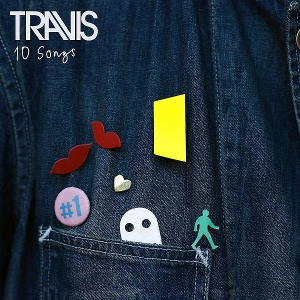
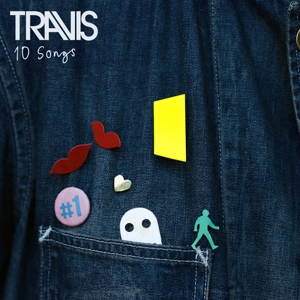
- 10 Songs – Travis – LP – Brand New Vinyl (Arrives in 20days) Travis ₹4,699.00
Travis returns with heartfelt songwriting and melodic craft—an essential listen for lovers of modern rock.
Only 1 left in stock
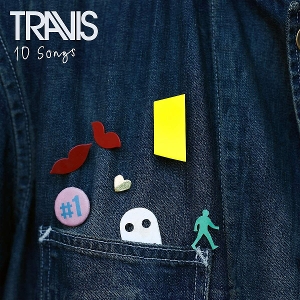
- 10 Songs – Travis – LP – Brand New Vinyl (Arrives in 20days) Travis ₹4,399.00
10 Songs by Travis. Brand new LP.
Only 1 left in stock
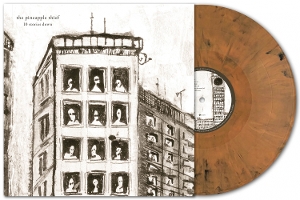
- 10 Stories Down – Pineapple Thief – LP – Brand New Vinyl (Arrives in 21 days) Pineapple Thief ₹4,799.00
Unlock the magic of 10 STORIES DOWN on stunning apricot & black marble vinyl! Buy 10 STORIES DOWN vinyl LP in Mint (M) condition Today!
Only 1 left in stock
- 100 Songs – Jad Fair – LP – Brand New Vinyl (Arrives in 20days) Jad Fair ₹5,799.00
Get the unique 100 SONGS LP in Mint (M) condition! Buy 100 SONGS vinyl LP in Mint (M) condition Today!
Only 1 left in stock
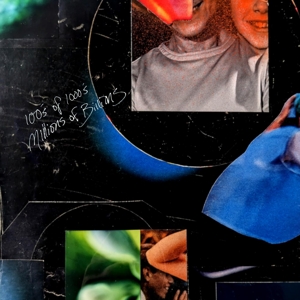
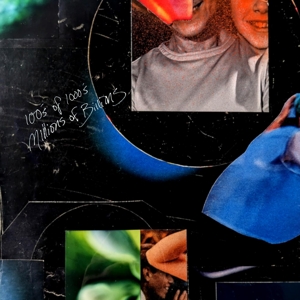
- 100’s Of 1000’s, Millions Of Billions – Blitzen Trapper – LP – Brand New Vinyl (Arrives in 20days) Blitzen Trapper ₹4,899.00
Unlock a sonic journey with Blitzen Trapper’s new LP. Buy 100’S OF 1000’S, MILLIONS OF BILLIONS vinyl LP in Mint (M) condition Today!
Only 1 left in stock
- 1000 Hurts (box) – Shellac – LP – Brand New Vinyl (Arrives in 20days) Shellac ₹5,699.00
Grab 1000 HURTS (BOX) vinyl LP in Mint (M) condition Today! Shellac’s raw energy awaits your turntable.
Only 1 left in stock
- 10cc – Sheet Music (Coloured, High quality edition) (Quick Ship) 10cc ₹5,219.00
A technicolor pop-rock marvel—10cc’s wit and inventiveness pressed in dazzling high-fidelity colored vinyl.
Only 1 left in stock
- 10cc – The Original Soundtrack (Quick Ship) 10cc ₹5,399.00
A masterstroke of wit and studio wizardry—10cc’s classic that bends pop and rock into cinematic brilliance.
Only 1 left in stock
- 10k – Electric Guest – LP – Brand New Vinyl (Arrives in 21 days) Electric Guest ₹5,399.00
Grab Electric Guest’s 10K LP in Mint (M) condition! Buy 10K vinyl LP in Mint (M) condition Today!
Only 1 left in stock
- 11 Women – Kilbey, Steve – LP – Brand New Vinyl (Arrives in 20days) Kilbey, Steve ₹5,099.00
Steve Kilbey spins vivid tales with poetic finesse—an evocative journey for lovers of textured, artful rock.
Only 1 left in stock
- 12 Little Killers – Vanderwolf – LP – Brand New Vinyl (Arrives in 20days) Vanderwolf ₹5,199.00
A daring, inventive rock journey—VANDERWOLF crafts songs that challenge, intrigue, and reward with every listen.
Only 1 left in stock
- 12 X 5 – Rolling Stones – LP – Brand New Vinyl (Arrives in 20days) Rolling Stones ₹5,999.00
Grab 12 X 5 by The Rolling Stones in Mint (M) condition. Buy 12 X 5 vinyl LP in Mint (M) condition Today!
Only 1 left in stock
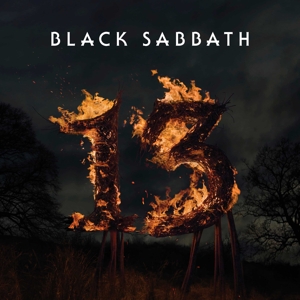
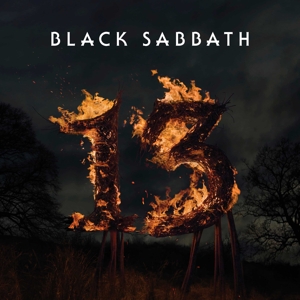
- 13 – Black Sabbath – LP – Brand New Vinyl (Arrives in 21 days) Black Sabbath ₹7,899.00
Grab the iconic Black Sabbath ’13’ LP in Mint (M) condition. Buy 13 vinyl LP in Mint (M) condition Today!
Only 1 left in stock
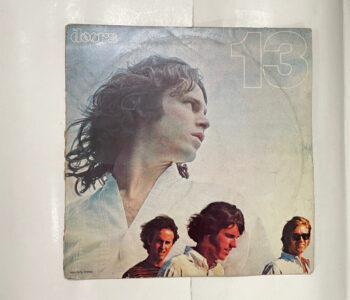
- 13 – Doors – LP – Brand New Vinyl (Arrives in 20days) Doors ₹3,999.00
Grab ’13’ by The Doors on Mint vinyl—timeless tracks await! Buy 13 vinyl LP in Mint (M) condition Today!
Only 1 left in stock
- 13 – The Doors Used Vinyl LP Record The Doors ₹2,999.00
Raw, wild, and gritty—The Doors’ ’13’ LP in Poor condition. Perfect for the fearless collector. Buy 13 vinyl LP in Poor condition Today!
Only 1 left in stock
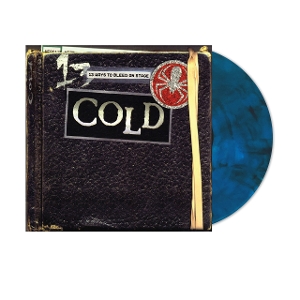
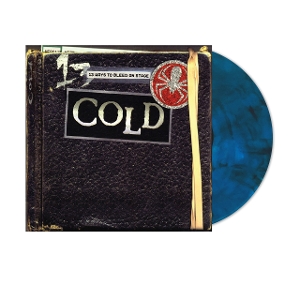
- 13 Ways To Bleed On Stage – Cold – LP – Brand New Vinyl (Arrives in 20days) Cold ₹7,799.00
13 Ways To Bleed On Stage by Cold. Brand new LP.
Only 1 left in stock
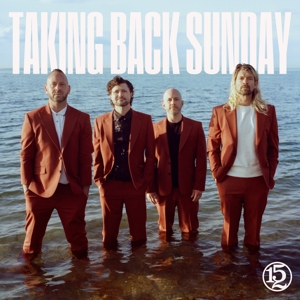
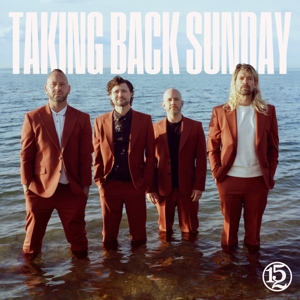
- 152 – Taking Back Sunday – LP – Brand New Vinyl (Arrives in 21 days) Taking Back Sunday ₹2,799.00
Grab 152 by Taking Back Sunday in Mint (M) condition. Buy 152 vinyl LP in Mint (M) condition Today!
Only 1 left in stock
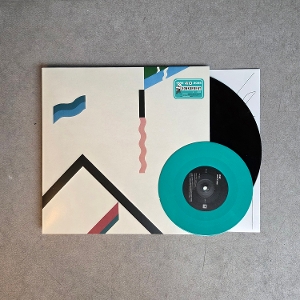
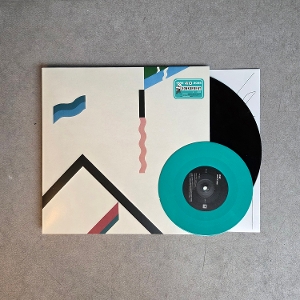
- 154 – Wire – LP – Brand New Vinyl (Arrives in 20days) Wire ₹4,999.00
Grab 154 by WIRE on turquoise vinyl in Mint (M) condition! Buy 154 vinyl LP in Mint (M) condition Today!
Only 1 left in stock
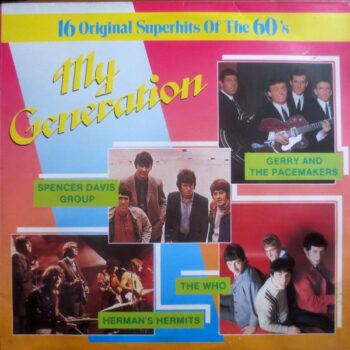
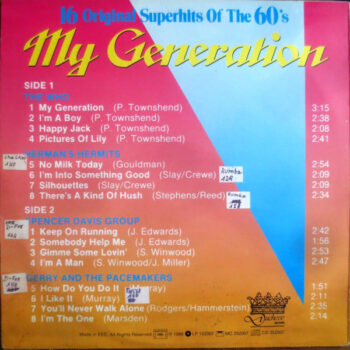
- 16 Original Superhits Of The 60’s – My Generation – Various – LP – Pre Owned Vinyl (Arrives in 21days) Various ₹3,499.00
Step into the vibrant 60s with this essential collection of enduring rock and pop classics. A true time capsule!
Only 1 left in stock
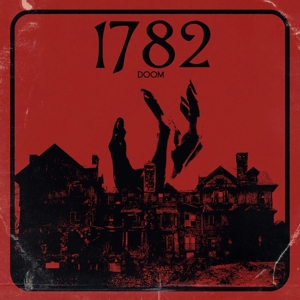
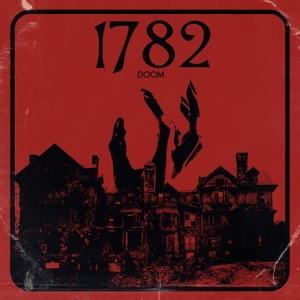
- 1782 – Seventeen Eighty Two – LP – Brand New Vinyl (Arrives in 20days) Seventeen Eighty Two ₹5,999.00
Grab the powerful sound of SEVENTEEN EIGHTY TWO’s 1782 vinyl LP in Mint (M) condition. Buy 1782 vinyl LP in Mint (M) condition Today!
Only 1 left in stock
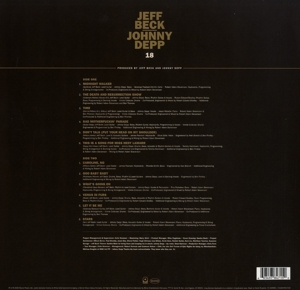
- 18 – Beck, Jeff And Johnny … – LP – Brand New Vinyl (Arrives in 20days) Beck, Jeff And Johnny ... ₹4,899.00
A masterful blend of guitar genius and cinematic flair—Jeff Beck and Johnny Depp create an unforgettable soundscape.
Only 1 left in stock
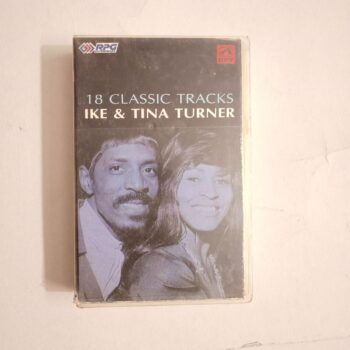
- 18 Classic Tracks – Ike & Tina Turner Used Audio Cassette Ike & Tina Turner ₹499.00
Feel the unstoppable energy of Ike & Tina—Buy 18 Classic Tracks cassette in Very Good Minus condition today!
Only 1 left in stock
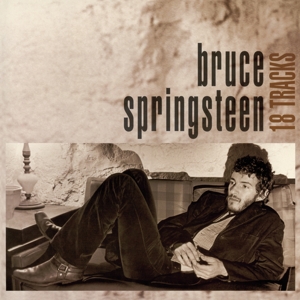
- 18 Tracks – Springsteen, Bruce – LP – Brand New Vinyl (Arrives in 20days) Springsteen, Bruce ₹4,099.00
Uncover Springsteen’s raw roots—rare gems and unreleased tales for the devoted listener and curious newcomer alike.
Only 1 left in stock
- 1962-1966 – The Beatles – LP – Pre Owned Vinyl (Arrives in 21days) The Beatles ₹6,799.00
Experience The Beatles’ early magic—timeless melodies and youthful energy, all pressed into essential red vinyl.
Only 1 left in stock
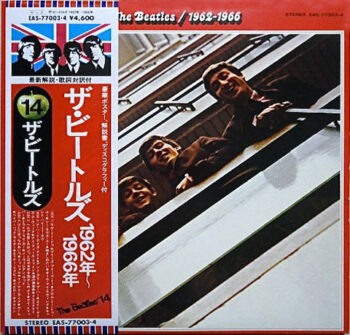
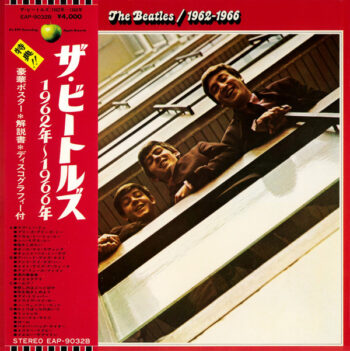
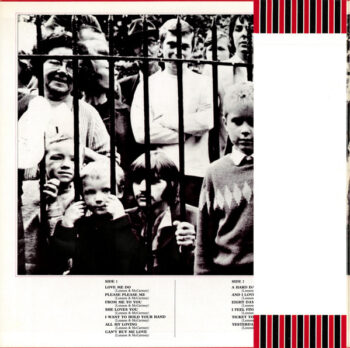
- 1962-1966 = 1962年〜1966年 – The Beatles = ザ・ビートルズ* – LP – Pre Owned Vinyl (Arrives in 21days) The Beatles ₹5,399.00
Journey through The Beatles’ early genius—timeless melodies and cultural revolution pressed in vivid, analog clarity.
Only 1 left in stock
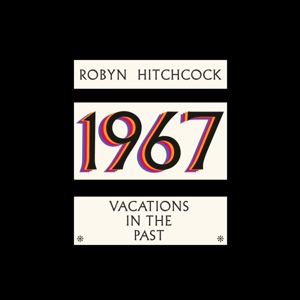
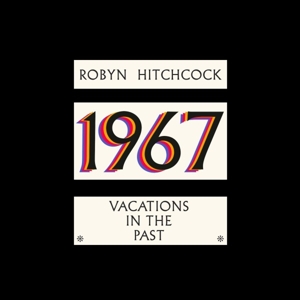
- 1967 – Vacations In The Past – Hitchcock, Robyn – LP – Brand New Vinyl (Arrives in 20days) Hitchcock, Robyn ₹4,799.00
Step into Robyn Hitchcock’s kaleidoscopic world—1967 reimagined with wit, melody, and echoes of psychedelic wonder.
Only 1 left in stock
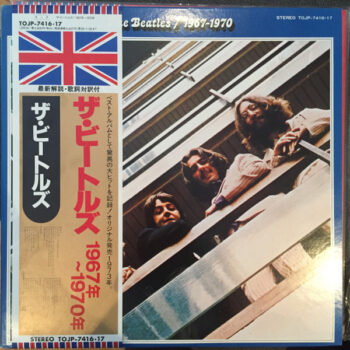
- 1967-1970 – The Beatles – LP – Pre Owned Vinyl (Arrives in 21days) The Beatles ₹11,999.00
Explore The Beatles’ revolutionary years—a kaleidoscope of hits that forever changed the landscape of rock music.
Only 1 left in stock
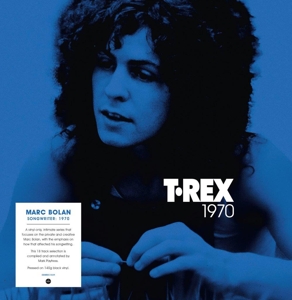
- 1970 – T. Rex – LP – Brand New Vinyl (Arrives in 20days) T. Rex ₹3,699.00
Grab the 1970 vinyl LP in Mint (M) condition Today! T. REX’s transformation awaits your turntable!
Only 1 left in stock
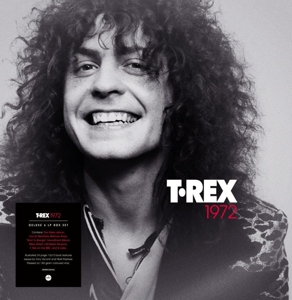
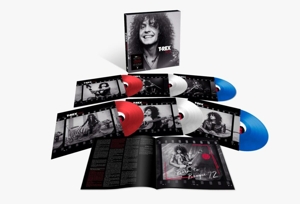
- 1972 – T. Rex – LP – Brand New Vinyl (Arrives in 20days) T. Rex ₹18,899.00
Experience T. Rex at their peak—glam, groove, and unforgettable hooks in a year that changed rock forever.
Only 1 left in stock
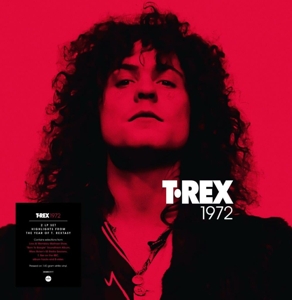
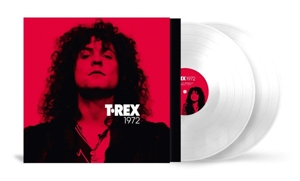
- 1972 – T. Rex – LP – Brand New Vinyl (Arrives in 20days) T. Rex ₹5,499.00
Grab the 1972 T. REX LP in Mint condition for a thrilling musical journey! Buy 1972 vinyl LP in Mint (M) condition Today!
Only 1 left in stock
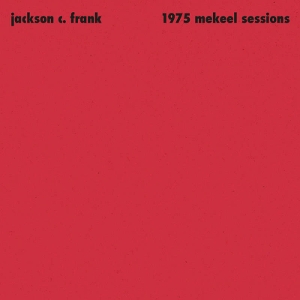
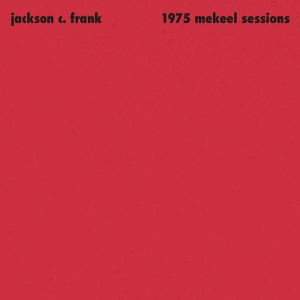
- 1975 Mekeel Sessions – Frank, Jackson C. – 12″ Single – Brand New Vinyl (Arrives in 20days) Frank, Jackson C. ₹4,199.00
Unreleased gems from a folk visionary—Jackson C. Frank’s raw 1975 session, finally on vinyl.
Only 1 left in stock
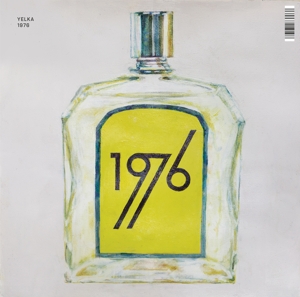
- 1976 – Yelka – LP – Brand New Vinyl (Arrives in 20days) Yelka ₹4,399.00
Grab the 1976 vinyl LP in Mint (M) condition Today! YELKA’s Krautrock magic awaits you.
Only 1 left in stock
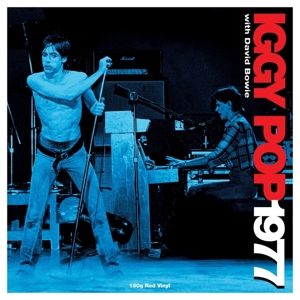
- 1977 – Pop, Iggy – LP – Brand New Vinyl (Arrives in 20days) Pop, Iggy ₹4,099.00
Raw, electrifying energy from Iggy Pop—’1977′ captures punk’s birth throes in one unforgettable record.
Only 1 left in stock
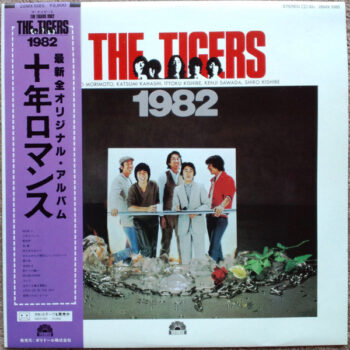
- 1982 – The Tigers (2) – LP – Pre Owned Vinyl (Arrives in 21days) The Tigers (2) ₹3,499.00
Rediscover ’80s rock energy—The Tigers (2)’s 1982 is a hidden gem for collectors craving authentic vintage sound.
Only 1 left in stock
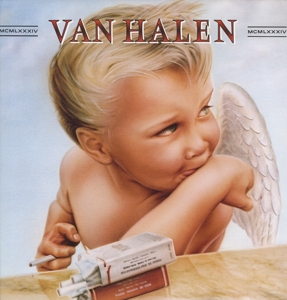
- 1984 – Van Halen – LP – Brand New Vinyl (Arrives in 20days) Van Halen ₹4,099.00
Synths meet shredding: Van Halen’s 1984 is a rock milestone pulsing with energy and unforgettable hooks.
Only 1 left in stock
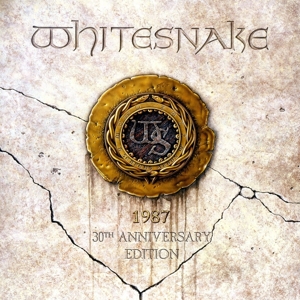
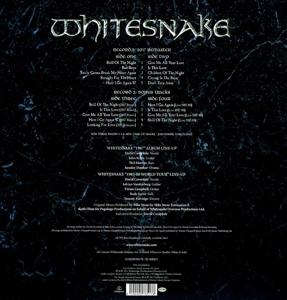
- 1987 – Whitesnake – LP – Brand New Vinyl (Arrives in 21 days) Whitesnake ₹5,999.00
Grab the 1987 vinyl LP by Whitesnake in Mint (M) condition! Buy 1987 vinyl LP in Mint (M) condition Today!
Only 1 left in stock
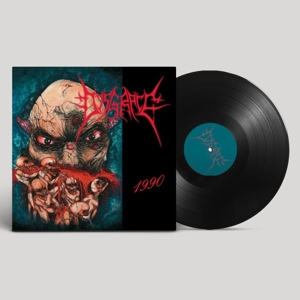
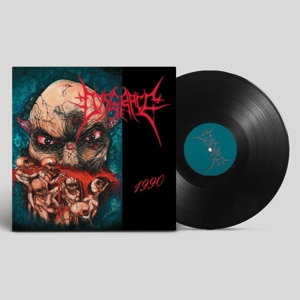
- 1990 – Disgrace – LP – Brand New Vinyl (Arrives in 20days) Disgrace ₹5,099.00
Grab the 1990 LP by DISGRACE in Mint (M) condition! A killer throwback to Finnish death metal. Buy 1990 vinyl LP in Mint (M) condition Today!
Only 1 left in stock
- 1992: The Love Album – Carter The Unstoppable… – LP – Brand New Vinyl (Arrives in 20days) Carter The Unstoppable... ₹6,199.00
A razor-sharp, witty punk-pop classic capturing the raw spirit of early ’90s British rock rebellion.
Only 1 left in stock
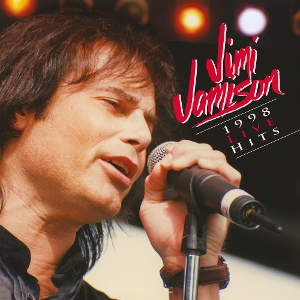
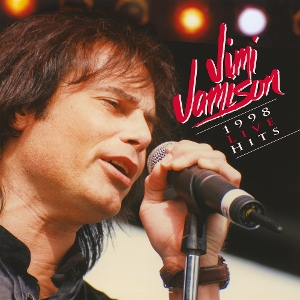
- 1998 Live Hits – Jamison, Jimi – LP – Brand New Vinyl (Arrives in 20days) Jamison, Jimi ₹5,499.00
1998 Live Hits by Jamison, Jimi. Brand new LP.
Only 1 left in stock
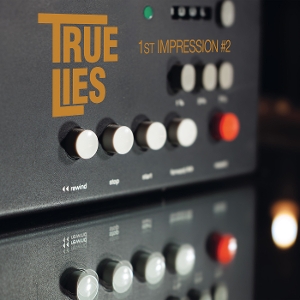
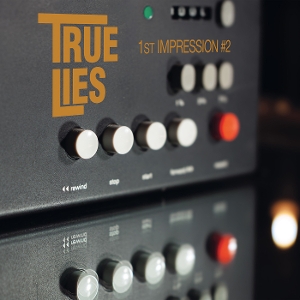
- 1st Impression No2 – True Lies – LP – Brand New Vinyl (Arrives in 20days) True Lies ₹4,399.00
Grab 1ST IMPRESSION NO2 by TRUE LIES in Mint (M) condition. A rock gem awaits! Buy 1ST IMPRESSION NO2 vinyl LP in Mint (M) condition Today!
Only 1 left in stock
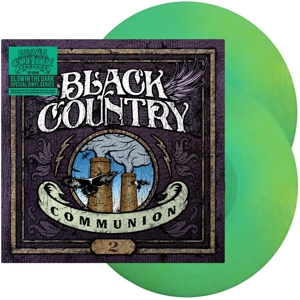
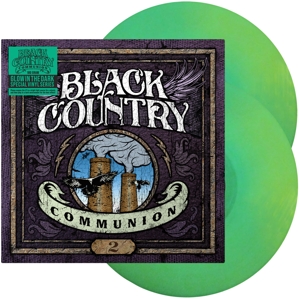
- 2 – Black Country Communion – LP – Brand New Vinyl (Arrives in 20days) Black Country Communion ₹5,799.00
A powerhouse blend of classic rock muscle and modern flair—essential listening for fans of bold, soulful musicianship.
Only 1 left in stock
- 2 – Demarco, Mac – LP – Brand New Vinyl (Arrives in 20days) Demarco, Mac ₹5,199.00
Mac DeMarco’s ‘2’ spins heartfelt nostalgia into laid-back, indie rock with charm and honesty on every groove.
Only 1 left in stock
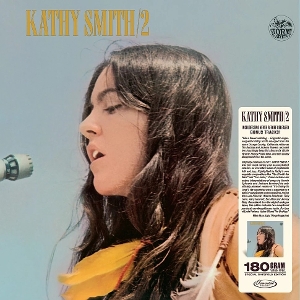
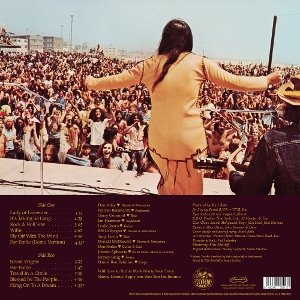
- 2 – Kathy Smith – LP – Brand New Vinyl (Arrives in 20days) Kathy Smith ₹4,999.00
Kathy Smith’s haunting voice and timeless tunes await—Buy 2 vinyl LP in Mint (M) condition Today!
Only 1 left in stock
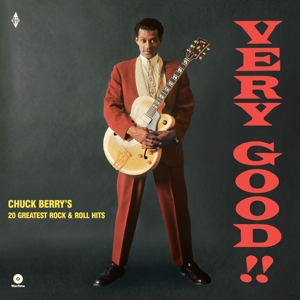
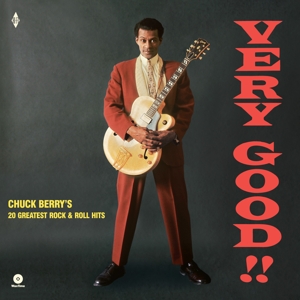
- 20 Greatest Rock & Roll Hits – Chuck Berry – LP – Brand New Vinyl (Arrives in 21 days) Chuck Berry ₹2,499.00
Grab the 20 GREATEST ROCK & ROLL HITS vinyl LP in Mint (M) condition Today!
Only 1 left in stock
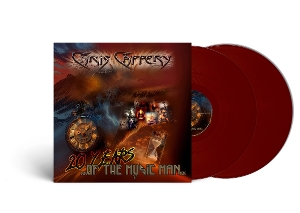
- 20 Years Of The Music Man – Cafferty, Chris – LP – Brand New Vinyl (Arrives in 20days) Cafferty, Chris ₹8,099.00
20 Years Of The Music Man by Cafferty, Chris. Brand new LP.
Only 1 left in stock
- 2005 Demo – Wolves In The Throne Room – LP – Brand New Vinyl (Arrives in 21 days) Wolves In The Throne Room ₹4,699.00
Unleash the raw power of 2005 DEMO on stunning black ice vinyl! Buy 2005 DEMO vinyl LP in Mint (M) condition Today!
Only 1 left in stock
- 2011 – Smithereens – LP – Brand New Vinyl (Arrives in 20days) Smithereens ₹5,499.00
Grab the limited edition 2011 LP from The Smithereens in Mint (M) condition. Buy 2011 vinyl LP in Mint (M) condition Today!
Only 1 left in stock
- 2019 – Dacus, Lucy – 12″ Single – Brand New Vinyl (Arrives in 20days) Dacus, Lucy ₹2,499.00
A luminous collection of covers and originals, Lucy Dacus reimagines memory with grace and indie-rock brilliance.
Only 1 left in stock
- 2020 – Vandenberg – LP – Brand New Vinyl (Arrives in 20days) Vandenberg ₹4,099.00
Unleash the power of Vandenberg’s 2020 LP in Mint (M) condition! Buy 2020 vinyl LP in Mint (M) condition Today!
Only 1 left in stock
- 21st Century Liability – Yungblud – LP – Brand New Vinyl (Arrives in 20days) Yungblud ₹5,099.00
Raw, youthful rebellion meets melodic hooks—YUNGBLUD’s debut pulses with energy and fearless honesty.
Only 1 left in stock
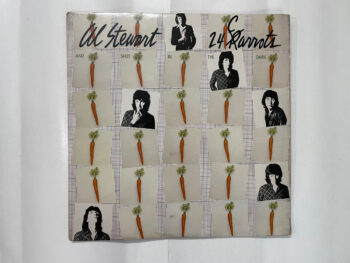
- 24 Carrots – Al Stewart And Shot In The Dark (3) – LP – Pre Owned Vinyl (Arrives in 21days) Al Stewart And Shot In The Dark ₹3,499.00
Al Stewart’s ’24 Carrots’ spins poetic tales with wit, warmth, and a rich, melodic Folk-Rock palette.
Only 1 left in stock
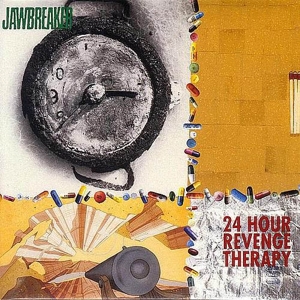
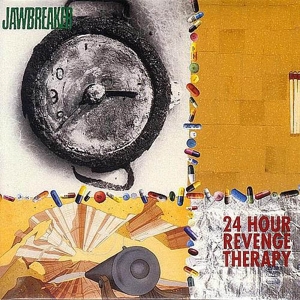
- 24 Hour Revenge Therapy – Jawbreaker – LP – Brand New Vinyl (Arrives in 20days) Jawbreaker ₹4,999.00
Grab your 24 HOUR REVENGE THERAPY vinyl LP in Mint (M) condition Today! Relive the punk magic of Jawbreaker!
Only 1 left in stock
- 24 Karrots – Al Stewart Used Vinyl LP Record Al Stewart ₹3,199.00
Al Stewart’s 24 Karrots LP—Near Mint, rich in storytelling and shimmer. Buy 24 Karrots vinyl LP in Near Mint condition Today!
Only 1 left in stock
- 24 Songs – Wedding Present – LP – Brand New Vinyl (Arrives in 20days) Wedding Present ₹7,599.00
Grab the magic of 24 SONGS by WEDDING PRESENT on Mint vinyl! Buy 24 SONGS vinyl LP in Mint (M) condition Today!
Only 1 left in stock
- 25th Birthday Party – Gong – LP – Brand New Vinyl (Arrives in 20days) Gong ₹4,499.00
GONG’s cosmic 25th Birthday Party captures psychedelic brilliance and wild, joyful energy in a legendary live set.
Only 1 left in stock
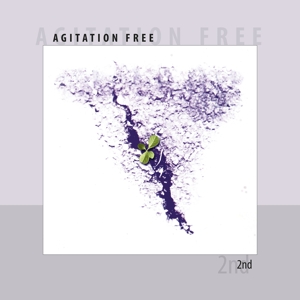
- 2nd – Agitation Free – LP – Brand New Vinyl (Arrives in 20days) Agitation Free ₹3,999.00
2nd by Agitation Free. Brand new LP.
Only 1 left in stock
- 2nd To None – Elvis Presley – LP – Brand New Vinyl (Arrives in 20days) Elvis Presley ₹6,099.00
Revisit the King with 2ND TO NONE LP in Mint (M) condition. Buy 2ND TO NONE vinyl LP in Mint (M) condition Today!
Only 1 left in stock
- 3 – Soulfly – LP – Brand New Vinyl (Arrives in 20days) Soulfly ₹5,699.00
Grab Soulfly’s ‘3’ LP—pure metal bliss in Mint (M) condition! Buy 3 vinyl LP in Mint (M) condition Today!
Only 1 left in stock
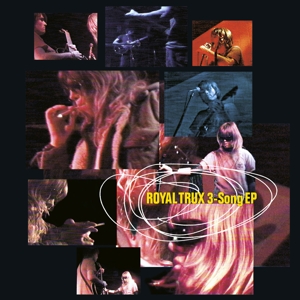
- 3 Song Ep – Royal Trux – 12″ Single – Brand New Vinyl (Arrives in 20days) Royal Trux ₹2,499.00
Royal Trux distill chaos and swagger into three raw, unforgettable tracks—essential for lovers of adventurous rock.
Only 1 left in stock
- 30 Seconds To Mars – Thirty Seconds To Mars – LP – Brand New Vinyl (Arrives in 20days) Thirty Seconds To Mars ₹6,799.00
Experience the intense debut that launched Thirty Seconds to Mars into modern rock’s celestial sphere.
Only 1 left in stock
- 34.788% Complete – My Dying Bride – LP – Brand New Vinyl (Arrives in 20days) My Dying Bride ₹6,299.00
Unleash the power of sound with 34.788% COMPLETE in Mint (M) condition! Buy it Today!
Only 1 left in stock
- 3d Country – Geese – LP – Brand New Vinyl (Arrives in 20days) Geese ₹4,899.00
Grab your 3D COUNTRY LP in Mint (M) condition—where chaos meets charm! Buy 3D COUNTRY vinyl LP in Mint (M) condition Today!
Only 1 left in stock
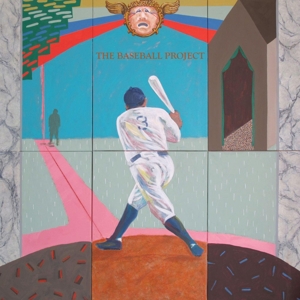
- 3rd – The Baseball Project – LP – Brand New Vinyl (Arrives in 20days) The Baseball Project ₹5,799.00
Catch the rhythm of the game with 3RD by The Baseball Project. Buy 3RD vinyl LP in Mint (M) condition Today!
Only 1 left in stock
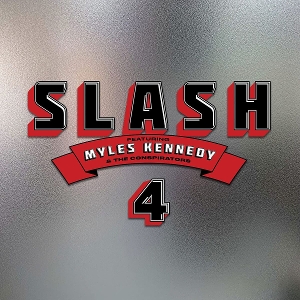
- 4 (feat. Myles Kennedy And The – Slash – LP – Brand New Vinyl (Arrives in 20days) Slash ₹3,899.00
Guns N’ Roses legend Slash and Myles Kennedy ignite modern rock with raw energy and masterful musicianship.
Only 1 left in stock
- 4 1/2 – Steven Wilson – LP – Brand New Vinyl (Arrives in 20days) Steven Wilson ₹4,399.00
Unleash nostalgia with Steven Wilson’s ‘4 1/2’—a rock gem on vinyl! Buy 4 1/2 vinyl LP in Mint (M) condition Today!
Only 1 left in stock
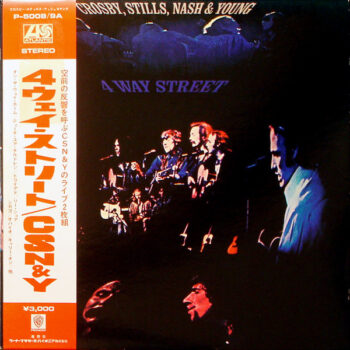
- 4 Way Street – Crosby, Stills, Nash & Young – LP – Pre Owned Vinyl (Arrives in 21days) Crosby, Stills, Nash & Young ₹3,599.00
Experience the legendary harmonies and raw live energy of CSNY at their creative zenith on this essential double LP.
Only 1 left in stock
- 4-track Demos – Pj Harvey – LP – Brand New Vinyl (Arrives in 20days) Pj Harvey ₹5,199.00
Grab PJ Harvey’s 4-TRACK DEMOS on Mint (M) vinyl. A rare gem for collectors! Buy 4-TRACK DEMOS vinyl LP in Mint (M) condition Today!
Only 1 left in stock
- 40 – Foreigner – LP – Brand New Vinyl (Arrives in 20days) Foreigner ₹6,399.00
40 by Foreigner. Brand new LP.
Only 1 left in stock
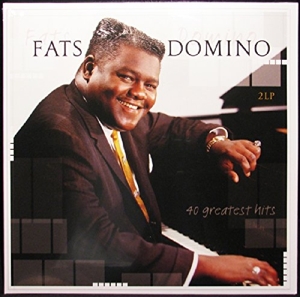
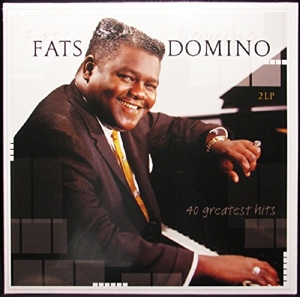
- 40 Greatest Hits – Fats Domino – LP – Brand New Vinyl (Arrives in 20days) Fats Domino ₹3,599.00
Rediscover Fats Domino’s magic! Buy 40 GREATEST HITS vinyl LP in Mint (M) condition Today!
Only 1 left in stock
- 40 Years Of Metal Drumming – V/a – LP – Brand New Vinyl (Arrives in 20days) V/a ₹7,499.00
Grab the iconic 40 YEARS OF METAL DRUMMING vinyl LP in Mint (M) condition Today!
Only 1 left in stock
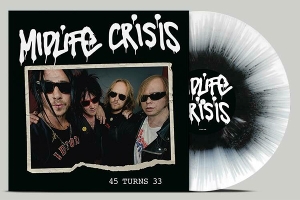
- 45 Turns 33 – Midlife Crisis – LP – Brand New Vinyl (Arrives in 20days) Midlife Crisis ₹4,399.00
45 Turns 33 by Midlife Crisis. Brand new LP.
Only 1 left in stock
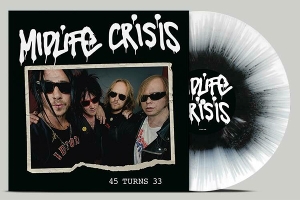
- 45 Turns 33 – Midlife Crisis – LP – Brand New Vinyl (Arrives in 20days) Midlife Crisis ₹3,899.00
45 Turns 33 by Midlife Crisis. Brand new LP.
Only 1 left in stock
- 5 Star Motel – Gitkin – LP – Brand New Vinyl (Arrives in 20days) Gitkin ₹4,699.00
5 Star Motel by Gitkin. Brand new LP.
Only 1 left in stock
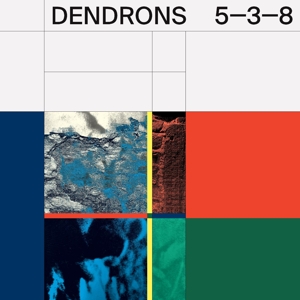
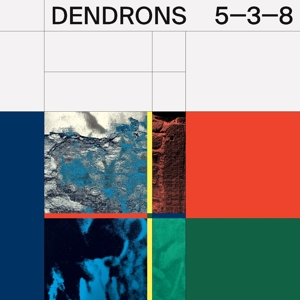
- 5-3-8 – Dendrons – LP – Brand New Vinyl (Arrives in 20days) Dendrons ₹4,899.00
Grab the stunning 5-3-8 LP by DENDRONS in Mint (M) condition. Buy 5-3-8 vinyl LP in Mint (M) condition Today!
Only 1 left in stock
- 50 Greatest Hits – Elvis Presley – LP – Brand New Vinyl (Arrives in 20days) Elvis Presley ₹6,499.00
Grab your 50 GREATEST HITS vinyl LP in Mint (M) condition Today! Elvis’s timeless classics await you!
Only 1 left in stock