
Khayyam
Mohammed Zahur Khayyam Hashmi, known simply as Khayyam, was a revered Indian music director whose work spanned Bollywood’s golden era, blending ghazal sensibilities with Indian classical melody in acclaimed scores for films like Kabhi Kabhie and Umrao Jaan. His soulful, poetic compositions earned him multiple Filmfare Awards, the National Film Award, the Sangeet Natak Akademi Award and the Padma Bhushan, reflecting his enduring significance.
About Khayyam
Mohammed Zahur Khayyam Hashmi, widely known as Khayyam, was born on 18 February 1927 in Rahon, Punjab (then part of British India). Even as a young boy, he displayed a passionate inclination toward music, running away to his uncle’s home in Delhi to pursue training under classical vocalist and composer Pandit Amarnath. At 17, he worked in Lahore as an assistant to music director Baba Chishti before serving briefly in the British Indian Army during World War II. After the war, he journeyed to Bombay (Mumbai), debuting in 1948 as “Sharmaji” of the Sharmaji-Vermaji duo with the film Heer Ranjha, later establishing himself as a solo composer after Partition. In the early stages of his career, Khayyam composed such enduring melodies as "Akele Mein Woh Ghabrate To Honge" (Biwi, 1950) and “Shaam-e-Gham Ki Kasam” (Footpath, 1953), the latter becoming a hauntingly evocative classic. His collaboration with poet Sahir Ludhianvi on Phir Subah Hogi (1958) yielded touching songs like “Wo Subha Kabhi To Aayegi.” Over the 1960s, works for films such as Shola Aur Shabnam (1961) and Aakhri Khat (1966, which marked Rajesh Khanna’s debut) cemented Khayyam’s reputation for soulful lyricism and refined orchestration. The 1970s and early ’80s marked Khayyam’s zenith, earning him widespread acclaim. His score for Yash Chopra’s Kabhi Kabhie (1976)—including beloved numbers like “Kabhi Kabhie Mere Dil Mein” and “Main Pal Do Pal Ka Shayar Hoon”—won him the Filmfare Best Music Director Award. He reached the pinnacle with Umrao Jaan (1981), a lyrical, ghazal-rich masterpiece that earned him both the Filmfare and National Film Awards for Best Music Direction; songs like “In Aankhon Ki Masti Ke” remain etched in musical memory. Subsequent works for films such as Noorie, Bazaar, Dil-E-Nadaan and Razia Sultan further showcased his versatility and depth. Khayyam was more than a composer—he was a craftsman who respected poetry, melody, and tradition in an industry often driven by trends. His adherence to classical roots, disciplined approach, and poetic sensibility distinguished him from his contemporaries and preserved ghazal and semi-classical essence in mainstream cinema. He was honoured with the Sangeet Natak Akademi Award (2007), a Filmfare Lifetime Achievement Award (2010), and the Padma Bhushan (2011). Personal life and legacy intertwine in his story. Married to singer Jagjit Kaur in 1954, one of Bollywood’s early inter-communal alliances, he remained deeply connected to her musically. They faced personal tragedy with the loss of their son Pradeep in 2012, inspiring them to establish the Khayyam Jagjit Kaur Charitable Trust, to aid struggling artists and technicians. Khayyam passed away on 19 August 2019 in Mumbai at the age of 92, leaving behind a legacy of timeless music, poetic devotion, and generosity, remembered today as one of Bollywood’s last links to its golden musical heritage.
Items by Khayyam
-
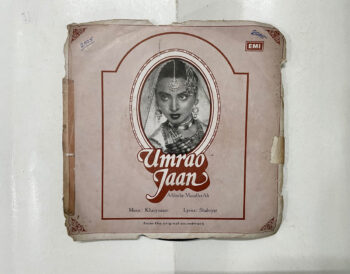
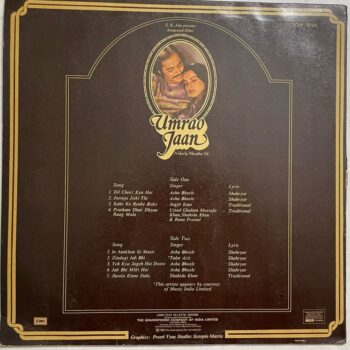
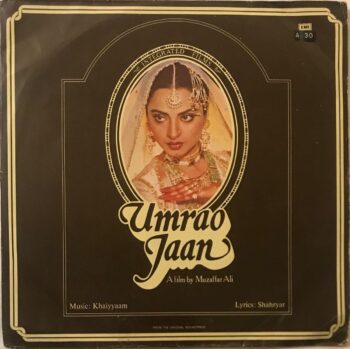
Umrao Jaan – Khayyam Used Vinyl EP Record Khayyam ₹699.00
Worn grooves, timeless soul. Buy Umrao Jaan vinyl EP in Poor condition Today!
Out of stock
-
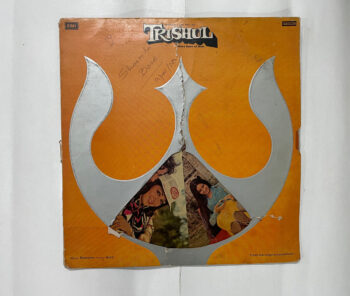
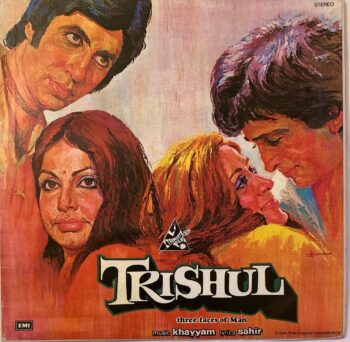
Trishul (Three Faces Of Man) – Khayyam Used Vinyl LP Record Khayyam ₹1,499.00
Relive 1977’s Bollywood magic—Buy Trishul (Three Faces Of Man) vinyl LP in Very Good Minus condition Today!
Out of stock
-
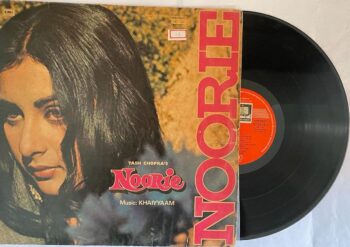
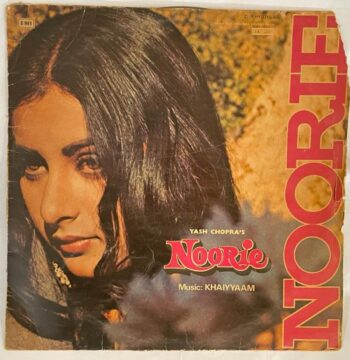
Noorie – Khayyam Used Vinyl LP Record Khayyam ₹1,999.00
Relive 70s Bollywood magic—Buy Noorie vinyl LP in Very Good Minus condition Today!
Only 1 left in stock
-
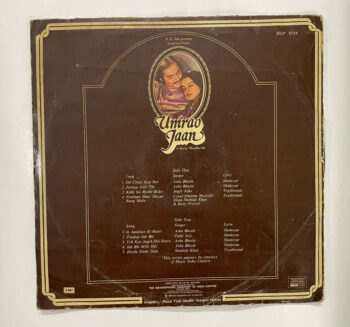
Umrao Jaan – Khayyam Used Vinyl LP Record Khayyam ₹1,499.00
Umrao Jaan LP: poetry, soul, and Rekha’s magic—the sound is crisp. Buy Umrao Jaan vinyl LP in Very Good Minus condition Today!
Out of stock
-
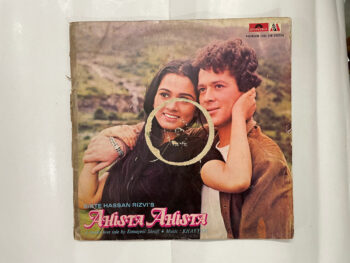
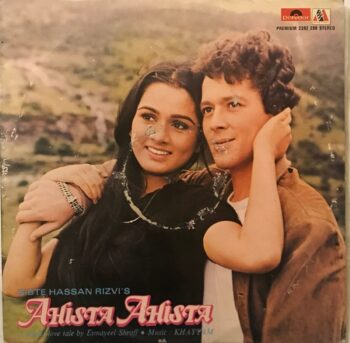
Ahista Ahista – Khayyam Used Vinyl LP Record Khayyam ₹1,999.00
Original Ahista Ahista LP by Khayyam, 1981. Buy Ahista Ahista vinyl LP in Very Good Minus condition Today!
Only 1 left in stock
-
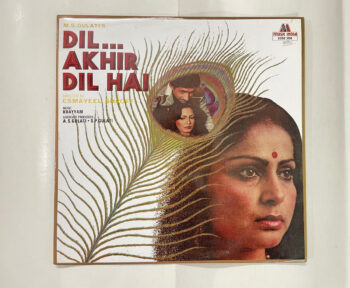
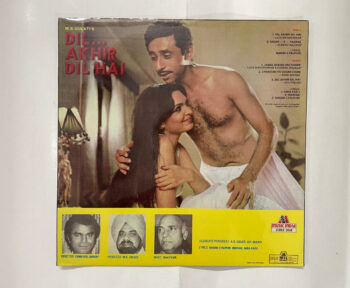
Dil Akhir Dil Hai – Khayyam Used Vinyl LP Record Khayyam ₹1,999.00
Classic Khayyam melodies on vinyl—Buy Dil Akhir Dil Hai LP in Very Good Minus condition Today!
Only 1 left in stock
-
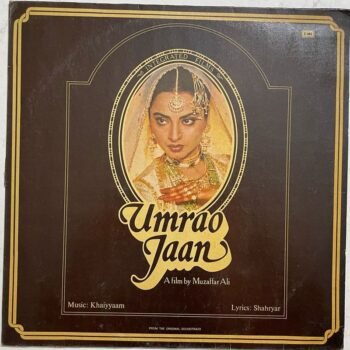
Umrao Jaan – Khayyam Used Vinyl LP Record Khayyam ₹1,999.00
Revisit 1981 — Buy Umrao Jaan vinyl LP in Very Good Minus condition Today! Ghazals that linger.
Out of stock
-
Noorie – Khayyam Used Vinyl LP Record Khayyam ₹1,999.00
Khayyam’s ‘Noorie’ LP spins soft Bollywood magic—VG-! Buy Noorie vinyl LP in Very Good Minus condition Today!
Out of stock
-
Umrao Jaan – Khayyam Used Vinyl LP Record Khayyam ₹1,999.00
Umrao Jaan, Khayyam’s timeless Urdu classic. Buy Umrao Jaan vinyl LP in Very Good Minus condition Today!
Out of stock
-
Trishul – Khayyam Used Vinyl EP Record Khayyam ₹999.00
Vintage Bollywood flair! Buy Trishul vinyl EP in Very Good Minus condition Today!
Out of stock
-
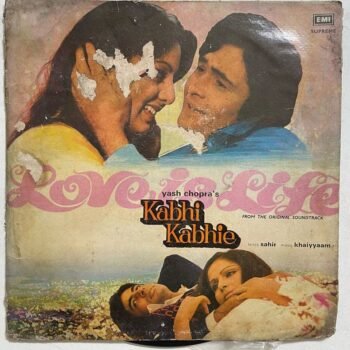
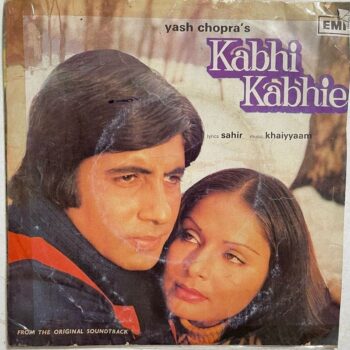
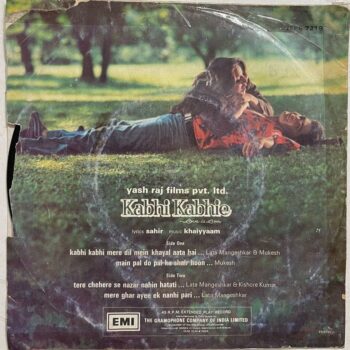
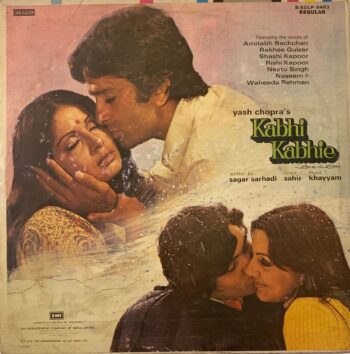
Kabhi Kabhie – Khayyam Used Vinyl LP Record (VG-) Khayyam ₹2,999.00
Buy Kabhi Kabhie Bollywood Vinyl LP in Very Good Minus condition Today!
Out of stock
-
Umrao Jaan – Khayyam Used Vinyl LP Record (VG-) Khayyam ₹1,999.00
Buy Umrao Jaan Vinyl LP in Very Good Minus condition Today!
Out of stock
-
Kabhi Kabhie – Khayyam Used Vinyl EP Record (VG) Khayyam ₹749.00
Buy Kabhi Kabhie EP Vinyl in Very Good Condition Today!
Out of stock
-
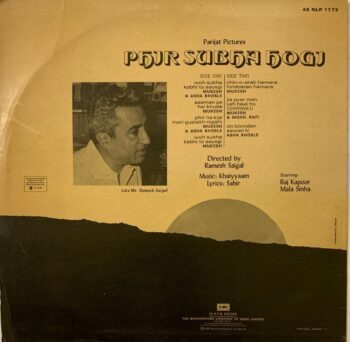
Phir Subha Hogi – Khayyam Used Vinyl LP Record (VG) Khayyam Original price was: ₹2,999.00.₹2,499.00Current price is: ₹2,499.00.
Buy ‘Phir Subha Hogi’ in VG LP Today! Unearthing this vintage Hindi pop gem by Khayyam is like discovering a piece of musical history.
Out of stock
-
Noorie – Khayyam Used Vinyl LP Record (VG) Khayyam ₹1,499.00
Buy ‘Noorie’ in VG condition LP Today! A classic pop vinyl from 1979 by Khayyam.
Out of stock
-
Noorie – Khayyam Used Vinyl LP Record (VG+) Khayyam ₹1,999.00
Buy Noorie by Khayyam in VG+ condition LP Today!
Out of stock
-
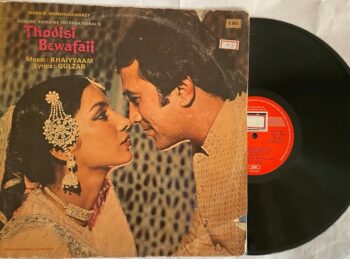
Thodisi Bewafaii – Khayyam Used Vinyl LP Record (VG) Khayyam ₹1,999.00
Buy Thodisi Bewafaii by Khayyam in VG LP Today! Great condition and nostalgic pop music from 1980.
Out of stock
-
Razia Sultan – Khayyam Used Vinyl LP Record (VG) Khayyam ₹1,999.00
Buy ‘Razia Sultan’ in VG condition LP Today! Uncover the magic of Khayyam’s timeless melodies from 1982 in Hindi Pop.
Out of stock
-
Trishul (Three Faces Of Man) – Khayyam Used Vinyl LP Record (P) Khayyam ₹1,999.00
Buy Trishul (Three Faces Of Man) in Remade LP Today!
Out of stock
-
The Immortal Love Scenes Of Kabhi Kabhie – Khayyam Used Vinyl LP Record (VG) Khayyam ₹2,999.00
Buy The Immortal Love Scenes Of Kabhi Kabhie in VG Used LP Today!
Out of stock
-
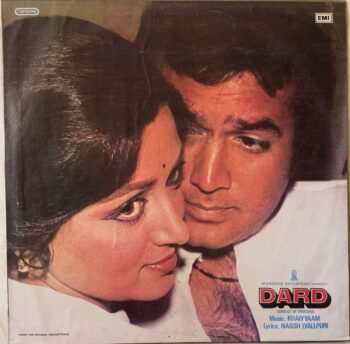
Dard (Conflict Of Emotions) – Khayyam Used Vinyl LP Record Khayyam ₹1,999.00
Buy Dard (Conflict Of Emotions) in VG- condition LP Today!
Out of stock
-
Ahista Ahista – Khayyam Used Vinyl LP Record Khayyam Original price was: ₹1,999.00.₹1,599.00Current price is: ₹1,599.00.
Buy Ahista Ahista by Khayyam in VG- condition LP Today!
Out of stock
-
Umrao Jaan – Khayyam Used Vinyl LP Record Khayyam ₹2,499.00
Buy Umrao Jaan by Khayyam in VG- condition LP Today!
Out of stock
-
Kabhi Kabhie – Khayyam Used Vinyl LP Record Khayyam ₹1,499.00
Buy Kabhi Kabhie by Khayyam in Used LP Today!
Out of stock




















Khayyam – Vinyl Records, CDs & Cassettes at Calcutta Records
Shop our curated collection of Khayyam vinyl records, CDs, and cassettes. Mohammed Zahur Khayyam Hashmi, known simply as Khayyam, was a revered Indian music director whose work spanned Bollywood’s golden era, blending ghazal sensibilities with Indian classical melody in acclaimed scores for films like Kabhi Kabhie and Umrao Jaan. His soulful, poetic compositions earned him multiple Filmfare Awards, the National Film Award, the Sangeet Natak Akademi Award and the Padma Bhushan, reflecting his enduring significance.